Vinicius Castelli
São Paulo, 2026PT

Vinicius
Castelli

Building deep-tech for healthcare. I bridge computational biology and embedded edge AI to translate academic research into clinical impact. Computer engineering at Poli-USP; research at ICB-USP.

Why bring intelligence directly to the medical device?

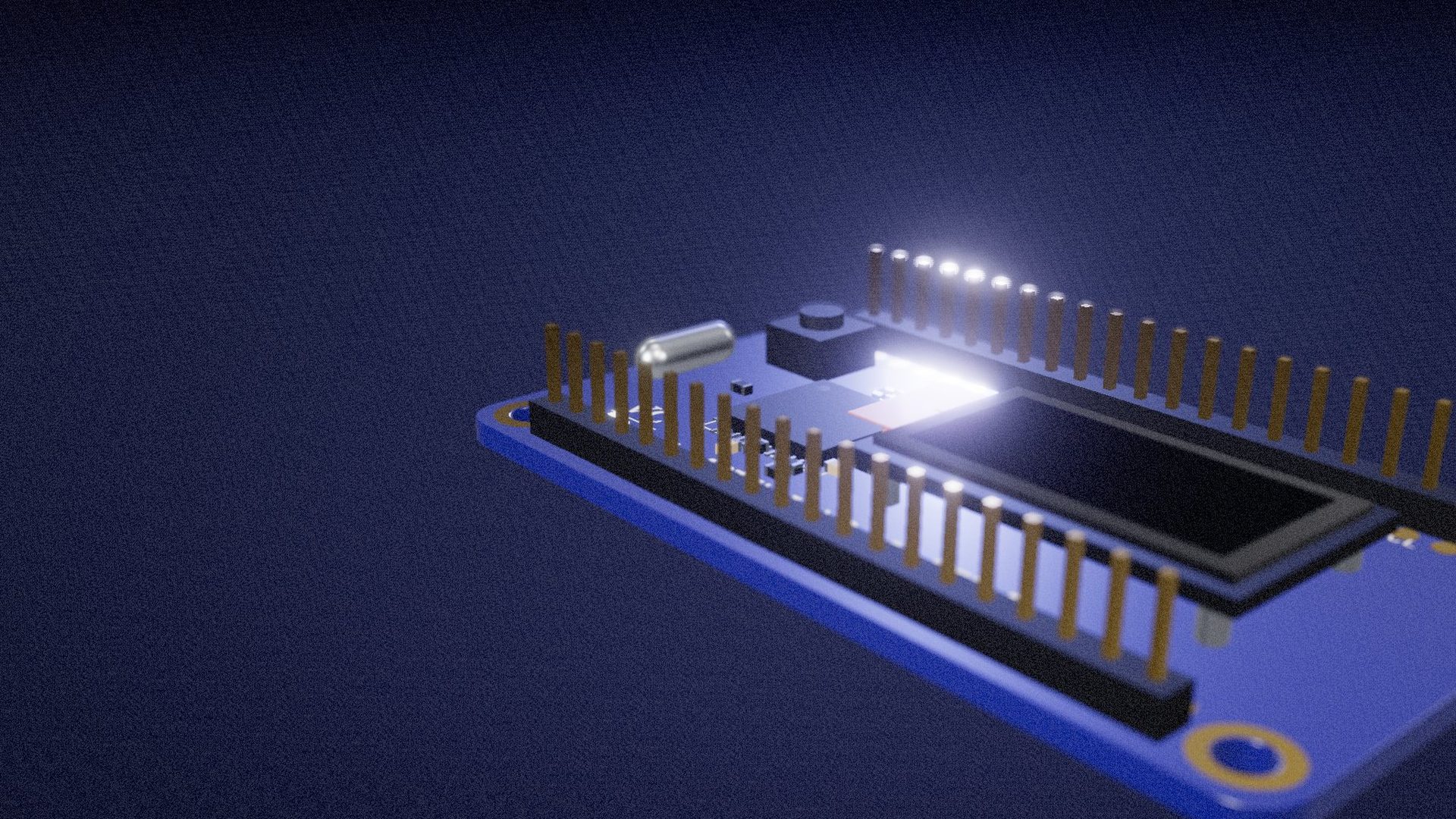
Because in healthcare, latency and reliability can cost lives. By embedding edge AI and strict regulatory frameworks into the hardware itself, we build clinical tools that are secure, autonomous, and resilient where the patient is.

What can computational biology reveal about disease?

By applying machine learning to comparative genomics, we can decode the evolutionary patterns of public health threats. It’s about turning biological complexity and raw sequences into actionable, reproducible insights.

What is the ultimate goal of scientific research?

Translation. Science shouldn’t stop at the paper. Through a hybrid approach spanning rigorous academia and deep-tech entrepreneurship, the mission is to turn laboratory discoveries into tangible healthcare products.

ISelected work

Projects at the intersection of life sciences, intelligent hardware, and research software.

Fig. 2. Fibroblast states in systemic sclerosis skin (GSE138669), connected by PAGA. Colour is the SSc effect on each state’s share of cells. The DPP4-high branch runs 0 → 2 → 4. Values are read off the published figure, so they’re approximate. PAGA shows how states connect; on its own it says nothing about which way a lineage runs.

Vildagliptin for skin fibrosis

Can a diabetes drug quiet the cells that harden skin? A seven-day repurposing study, tested layer by layer.

Role
Co-led analysis, pitch
Date
2026-08
evidence
7 layers
cohorts
4 datasets
Open Vildagliptin for skin fibrosis

IILines of research

Five drawings: the pillars of my work and what they aim to achieve. Each one has a control to play with.

(a) Poli-USP

Computer Engineering · 2026 →

A foundation for a hybrid profile between research and industry. Class of 2026 → 2030, second semester.

(b) ICB-USP

Computational Biology · since 2026-02

Applying machine learning and comparative genomics to understand life sciences at scale. I lead the modernisation of ROTIFER, a toolkit turning sequences into analysis pipelines.

(c) Embedded Systems

Firmware and hardware safety · in focus

Designing the hardware that touches the patient. Focus on firmware, sensor interfaces, and the strict safety and regulatory demands of medical devices.

(d) Edge AI

Intelligence on the device · in focus

Training, quantizing, and deploying machine learning models to run efficiently and securely directly on embedded healthcare systems.

(e) Healthcare

The ultimate mission · ongoing

The metric for success. Whether fighting antibiotic resistance at iGEM or building clinical hardware, translating engineering into human impact is the goal.

Plate I. Five lines of work, drawn by the author.

IIIScientific tools

The software I build for research.

Table 1. Research tools, from lab infrastructure to simulation.
ToolWhat it isStatusNotes
ROTIFERComparative genomics toolkitOpen source LEEP, ICB-USPLeading its modernisation to scale biological data analysis
S(H)ARPAntibiotic hit finder & WikiLive iGEMLead developer; focusing computational tools on public health
DuffingNonlinear oscillator simulationLive browserRK4 integration in JavaScript and Canvas, built for PME3100

IVCorrespondence

Write about deep-tech, healthcare innovation, or research collaboration.